

BUSINESS PURPOSE

Promote trade, increase recycling
and create a digital economy

Our purpose is to create a digital ecosystem where consumer supply and demand is environmentally friendly. We seek to streamline the way consumers consume advertising and discounts and improve the reach of businesses when promoting their organization’s offers, thus we manage to improve the impact that recycling has on our lives as an axis of change for the world.

Job creation:

The recycling industry generates employment at various stages of the process, from the collection and transportation of recyclable materials to their classification and processing. This means new jobs and better conditions for people who already work in this sector in a marginalized way.

Saving natural resources:

By recycling materials such as paper, cardboard, glass, plastic and metals, the needs to extract and process virgin raw materials are reduced. This leads to savings in production costs for industries that use these recycled materials instead of new raw materials. Recycling contributes to the diversification of raw material sources and reduces dependence on finite natural resources. This can make the economy more resilient to fluctuations in commodity prices.
Reducing waste disposal costs:

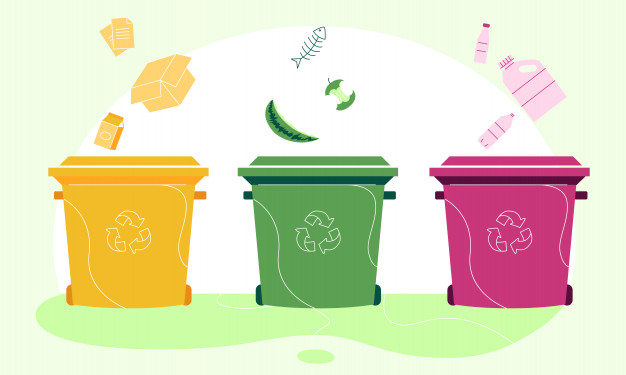
By recycling, you reduce the amount of waste sent to landfills or incinerators. This saves money on waste management, as the cost of disposing of waste is significantly higher than recycling it.
Promotion of innovation:

Recycling promotes innovation in technology and manufacturing processes. Companies are looking for more efficient ways to recycle and reuse materials, which can lead to technological advances and new business opportunities.
Promotion of the circular economy:

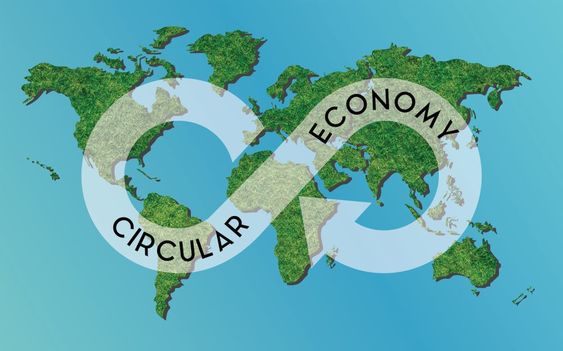
The circular economy promotes the reuse and recycling of products and materials, which can lead to an increase in the useful life of products and services. This can drive new business models and revenue generation through the sale and rental of refurbished products.
Reducing energy costs:

In many cases, recycling materials requires less energy compared to production from virgin raw materials. This can lead to decreased energy costs in manufacturing.

Cuponatic is our ambassador

The market sector where COUPONIC would operate is Online Sales, which is carried out in a large segment in online stores. Couponic will have its entire objective development in the discount coupon niche, which until now is a sector exploited by large companies that create apps to promote discounts or coupons; In the case of La Cuponera, it will be the first to propose an app and a platform simultaneously that have a set of coupons from different businesses in the same place, relating different online stores in the same digital space.

Current market context

Today the coupon niche is operating from applications per company, which limits the user to choose which applications to install and use, in addition to implying that they must have a prerequisite related to mobile storage space. In the case of other companies, they have discounts and offers, but they are only communicated via brochures that same day or by the store staff once the customer is in the establishment. This implies a loss of opportunities because they could increase customer loyalty. Your clients.

It must be taken into account that although the market niche is not developed, we still have large competitors to take into account, first of all we have Wix that develops online stores and establishes monitoring of them, both commercial and financial; This implies a great attraction for different merchants who, in addition to wanting to develop an online store, request advice. Couponic has the challenge of differentiating itself in the online store service based on the tools it provides for the development of brand image.

Other major competitors that function as a barrier to entry into the market are shipping platforms such as Amazon, Mercado Libre, among others. In this case, our challenge is to generate associations that generate mutual benefits since the speed of parcel delivery and the interrelation between different online stores enhances the service offered.

In the case of the Netherlands, e-commerce is highly developed since by 2022, around 168,000 million purchases will be recorded, registering about 33.3 billion euros in the year, resulting in an average spending per consumer of 2,086 euros.

Scroll to Top
Open chat
Hello 👋
Can we help you?